







CHENNAI, 10 September 2025: Innovative solutions ranging from digital value chain systems to climate-resilient practices have been proposed to revive India’s marine fisheries sector, where dwindling catches and declining incomes have become major concerns.
Experts say that adopting a ‘shore-to-door’ model could potentially raise fishers’ earnings by 25–30% by linking them directly with consumers.
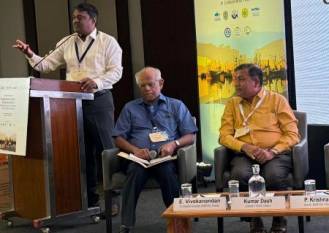
The proposals were discussed at a national workshop jointly organised by the Bay of Bengal Programme Inter-Governmental Organisation (BOBP-IGO) and the Environmental Defense Fund (EDF) in Chennai.
Direct Link from Fishers to Consumers
The ‘shore-to-door’ model aims to bypass intermediaries, giving fishers a larger share of the profits while reducing post-harvest losses. Currently, 20–30% of marine catch is wasted due to inefficiencies in the supply chain, limiting fishers’ real income.
To address this, experts introduced the FRESH model (Fair Price, Fresh Seafood, Digital First), which combines ONDC-linked platforms, IoT-enabled cold chains, and QR-based traceability to ensure seafood reaches households within 24 hours of landing.
“Consumers will get fresher, safer, and traceable seafood at fair prices while fishers enjoy better returns,” said B. Bharath Kumar, CEO of ZeroCode.
One Multi-Purpose App for Bay of Bengal Fishers
To streamline operations and reduce dependency on multiple apps, BOBP proposed a single multi-purpose mobile application across Bay of Bengal countries. The app will support:
- Catch documentation & traceability
- Market access & e-commerce integration
- Weather alerts & safety information
- Access to insurance schemes and welfare benefits
BOBP Director Dr. P. Krishnan highlighted the need for reliable catch data, noting that existing systems in India often underestimate artisanal catches and rely on manual processes that hinder effective stock assessment.
The initiative aims to create a fisher-led data pipeline with voluntary reporting encouraged through incentives like customised insurance schemes. This data would serve as a bridge between fishers and policymakers, offering near-real-time insights into marine stock health.
Building Climate-Resilient Fisheries
Addressing climate change impacts, Dr. Jacob Eurich, Scientist with EDF, stressed the need to develop fisheries for climate-resilient species.
“Climate change is shifting species’ habitats and altering productivity. By focusing on species less sensitive to these changes, communities can prepare for future challenges,” Dr. Eurich said.
He added that understanding ecosystem health and fish stock status is critical, especially in data-limited fisheries, to adapt management practices effectively.
Tackling Juvenile Fishing and Losses
The workshop also called for collaborative measures to curb juvenile fishing, which continues to cause substantial economic losses to the sector.
Roadmap for the Future
BOBP and EDF plan to pilot the digital initiatives in India before expanding them across Bay of Bengal nations in partnership with national agencies and fisher cooperatives.
The workshop brought together marine scientists, policy experts, NGOs, and fishers’ representatives, underlining the urgency of evidence-based governance and digital innovation to ensure the long-term sustainability of India’s marine fisheries.