





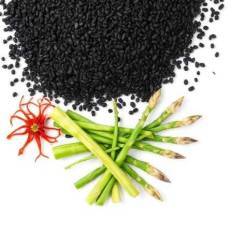


MUMBAI, 4 July 2025: India's vast agricultural landscape is often seen through the lens of staples like wheat, rice, and sugarcane. But beneath that green blanket lies a lucrative layer of high-value crops that command astonishing prices in domestic and global markets. These are the “gold crops” of Indian agriculture — rare, medicinal, organic, or simply exotic in nature, yet highly profitable.
Here’s a curated list of the top 10 most expensive crops grown in India, their market value, and why they're worth their weight in saffron.
1. Saffron (Kesar)
Market Price: INR 1.5– INR 3 lakh per kilogram
Where: Jammu & Kashmir, Himachal Pradesh
Why It’s Expensive:
The stigma of the saffron crocus must be hand-harvested, and it takes around 1,50,000 flowers to yield just 1 kilogram of saffron. With therapeutic, culinary, and religious applications, saffron is India’s most precious spice crop.
2. Ginseng (Ashwagandha - Korean variety)
Market Price: INR 3,000–INR 10,000 per kilogram (dry root)
Where: Experimental farms in Himachal, Uttarakhand
Why It’s Expensive:
Used in Ayurvedic and Korean medicine, ginseng is renowned for its adaptogenic properties. As Indian farmers pivot to medicinal exports, demand for organically grown ginseng has surged.
3. Shatavari (Asparagus Racemosus)
Market Price: INR 1,000–INR 5,000 per kilogram
Where: Maharashtra, Kerala, Chhattisgarh
Why It’s Expensive:
This medicinal herb, prized in Ayurveda for women’s health and immunity, is fetching high returns in nutraceutical exports.
4. Black Rice (Chakhao)
Market Price: INR 200–INR 500 per kilogram
Where: Manipur, Assam, Odisha
Why It’s Expensive:
Rich in antioxidants, fiber, and anthocyanins, black rice is the new “superfood” and a star in organic markets. North-East India has begun exporting it to Europe and the US.
5. Mushrooms (Ganoderma & Button varieties)
Market Price: INR 200–INR 2,000 per kilogram
Where: Punjab, Haryana, Uttarakhand
Why It’s Expensive:
While button mushrooms are profitable at volume, Ganoderma (used in Chinese medicine) fetches 10x the price for its immunity-boosting properties.
6. Dragon Fruit (Pitaya)
Market Price: INR 400–INR 600 per kilogram
Where: Gujarat, Maharashtra, Karnataka
Why It’s Expensive:
Low input, high output. Dragon fruit is drought-resistant, beautiful, and in demand among urban consumers for its health benefits and unique look.
7. Ornamental Flowers (Gerbera, Dutch Roses, Lilies)
Market Price: INR 10–INR 40 per stem
Where: Karnataka, Tamil Nadu, West Bengal
Why It’s Expensive:
The floriculture industry thrives on export contracts and domestic events. With advanced polyhouse farming, flowers are now big business.
8. Organic Heirloom Tomatoes (Color Varieties)
Market Price: INR 200–INR 400 per kilogram
Where: Himachal Pradesh, Tamil Nadu, Maharashtra
Why It’s Expensive:
Exotic tomato varieties like Black Krim and Cherokee Purple are all the rage in gourmet kitchens and farmer’s markets, offering high profits for small growers.
9. Vanilla Beans
Market Price: INR 10,000–INR 25,000 per kilogram (dry beans)
Where: Kerala, Karnataka, Tamil Nadu
Why It’s Expensive:
The pollination is manual, processing is time-intensive, and global demand is constant. India is slowly emerging as a player in this luxury spice segment.
10. Stevia Leaves (Natural Sugar Substitute)
Market Price: INR 250–INR 500 per kilogram
Where: Madhya Pradesh, Rajasthan
Why It’s Expensive:
As diabetes and sugar-reduction trends rise, stevia is becoming a commercially viable alternative crop with high export demand in the health-conscious world.
The Bigger Picture: Why These Crops Matter
India’s agritech boom and the rising middle class are transforming what’s grown and how it’s consumed. Organic farming, medicinal herbs, and exotic fruits are no longer niche — they’re the new frontier of agribusiness.
Many of these crops also align with:
- Climate-smart agriculture
- Low-water farming models
- Export-oriented cultivation
Farmers growing these high-value crops, especially through contract farming, organic certifications, or Farmer Producer Organizations (FPOs), are seeing up to 3–10x returns compared to traditional crops.
What It Means for Small Farmers
With proper training, subsidies, and access to markets, even small landholders can profit from these luxury crops. Government schemes like Mission Organic Value Chain Development for North Eastern Region (MOVCDNER) and National Medicinal Plants Board (NMPB) offer support for cultivation and buyback.
Key Takeaways:
These crops are expensive because they require special conditions, manual labor, or slow harvesting.
High-value farming is not just about luxury, but also sustainability and market alignment.
Access to cold storage, transport, and processing can unlock even more value for farmers.