





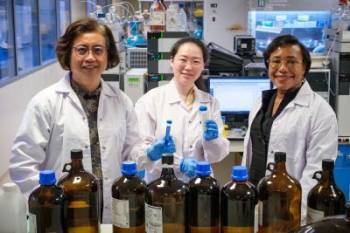


The research, led by Nanyang Technological University (NTU Singapore) in collaboration with the Singapore-MIT Alliance for Research and Technology (SMART), has shown promising results in early farm trials. The findings were published in Nature Communications.
According to the team, the compounds, known as oligoimidazolium carbon acids (OIMs), prevent infection through a novel mechanism that allows them to penetrate bacterial membranes rapidly and disrupt DNA. This approach differs from traditional antimicrobial agents and enables lower dosages, improving safety profiles for dairy herds.
Professor Mary Chan, co-lead of the study and Principal Investigator at SMART’s Antimicrobial Resistance group, stated that the compounds did not affect milk quality or safety and caused no noticeable adverse effects in tested cattle. Interest has since emerged from agricultural firms in Australia, Belgium, Malaysia and New Zealand that are seeking cleaner solutions amid growing concerns over antibiotic resistance and residue in dairy products.
The team highlights that current practices, such as antiseptic udder dips containing iodine or chlorhexidine, carry limitations including skin irritation and potential environmental harm. Long-term use may cause cracking of teats, heightening the risk of infection, and residual chemicals can disrupt ecosystems if not managed properly.
The newly developed OIMs demonstrated biodegradability, breaking down into harmless molecules after cleaning, according to SMART scientist Dr Kaixi Zhang. Tests further showed that their antimicrobial efficiency remained unaffected in the presence of milk, unlike conventional disinfectants.
Preliminary trials, led by SMART AMR, revealed that cows treated with the compounds remained free of infection even after exposure to mastitis-causing bacteria. Researchers also observed normal animal behaviour, indicating good tolerance.
Plans are underway to scale up testing through a spin-off venture, with a large farm trial currently progressing in Malacca, Malaysia. Co-lead Professor Kevin Pethe noted that the compounds have also proven effective against multi-drug-resistant bacteria in laboratory studies using mice, pointing to potential applications in biomedical fields.
As global scrutiny of dairy quality intensifies and resistance to long-used hygiene treatments grows, the industry is exploring OIMs as replacements for iodine- and chlorhexidine-based products. The research has been supported under Singapore’s National Research Foundation CREATE programme and SMART’s Innovation Centre to facilitate future commercialisation.