





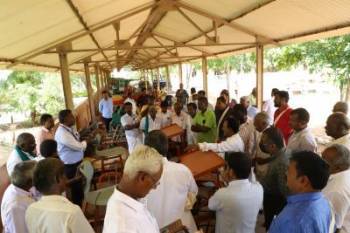


COIMBATORE, 10 July 2025: In an effort to promote sustainable agriculture, the ICAR–Sugarcane Breeding Institute (ICAR-SBI), Coimbatore conducted a one-day training programme on chemical-free sugarcane farming for tribal communities from Karumanthurai, Salem district, under the Development Action Plan for Scheduled Tribe Component (DAPSTC).
The training programme, held on July 9, was part of a broader initiative to integrate Indigenous Technical Knowledge (ITK) with modern natural farming practices. The programme also featured a Farmer-Scientist interaction under the Farm School on All India Radio (AIR), bringing together farmers from across Tamil Nadu.
Focus on Natural Farming and Ecological Sensitivity
M. G. Ganesan, Project Director of Project Nilgiri Tahr, emphasised the long-term benefits of chemical-free cultivation. Citing the success of the Kaani tribal farmers in Tirunelveli, he said integrating traditional practices with natural farming ensures ecological balance and better yield. He praised ICAR-SBI’s outreach in Anamalai Tiger Reserve, where interventions were carried out in close coordination with the forest department.
Dr. P. Govindaraj, Director of ICAR-SBI, highlighted the success of the Farm School on AIR programme. “The strong turnout of radio listeners at today’s event reflects that traditional mediums like radio still hold immense value in the rural farming ecosystem,” he said.
Widening Reach Among Tribal Communities
Dr. D. Puthira Prathap, Principal Scientist and Nodal Officer for the DAPSTC Project, shared that over 1,250 tribal households from six indigenous tribes across Tamil Nadu and Kerala have benefitted from the programme. These include Malasar, Malamalasar, Oorali, Malayali, Kurumbar, and Irular tribes.
The DAPSTC project spans key ecological zones, including the Anamalai and Sathyamangalam Tiger Reserves and the Eastern Ghats in Salem, along with Attappady Hills in Kerala. It emphasises knowledge sharing, empowerment, and sustainable livelihoods beyond just infrastructure.
Field Visits and Equipment Distribution
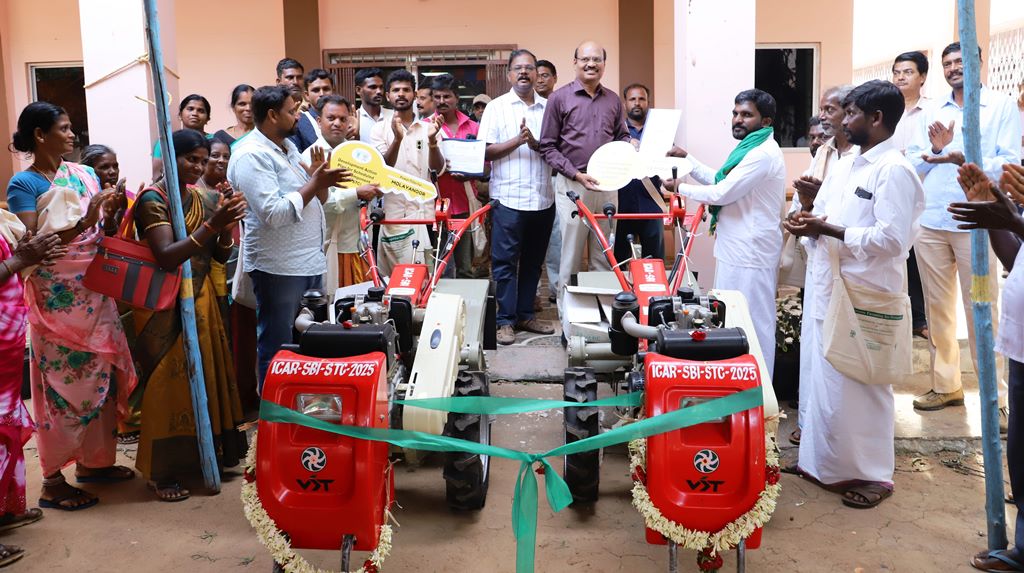
Farmers visited model sugarcane fields and the Sugarcane-based Integrated Farming System demonstration unit. Power tillers and battery-operated sprayers were distributed to tribal settlements in Molayanoor and Vilampatti.
A short film titled “Empowering Tribals: Transforming Lives” was screened, showcasing the project’s impact. Registered growers from Subramaniya Siva Co-op Sugar Mills Ltd., Dharmapuri, and Bannari Amman Sugars Ltd., Erode also took part in the training.