





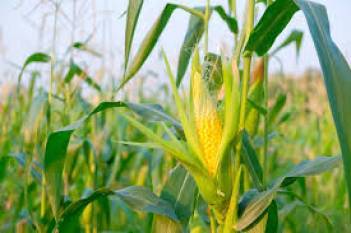


In Pune’s Junnar taluka, growers like Deepak Bhise have shifted from cultivating beans and cabbage to exclusively growing sweet corn, locally called bhutta. “On an acre, we harvest four to five tonnes of sweet corn, with production costs around INR 10,000,” Bhise said. “We sell it for INR 14 per kilogram, which means a return of INR 70,000 per acre. Plus, traders harvest it themselves.”
Bhise, who leads the local tomato growers’ association, explained that sweet corn has become a major alternative to vegetables and even sugarcane for farmers seeking more predictable earnings. “Everything depends on what we make in the end,” he said. “Right now, sweet corn is the best option.”
The shift has been supported by rising consumer demand for roasted or grilled corn, a monsoon staple on streets across Maharashtra and beyond. From small roadside vendors to restaurants, sweet corn has woven itself into the Indian diet, creating a robust market for growers.
Sweet corn (Zea mays) is grown primarily for human consumption, unlike other maize varieties used for starch or animal feed. Maharashtra grows 8–10 lakh hectares of maize annually, with an estimated 20,000–25,000 hectares devoted to sweet corn, largely in Pune, Kolhapur, Sangli, and Satara districts.
Deals between farmers and traders are often finalized while the crop is still growing, and harvest typically occurs within 90 days. In some cases, traders sign agreements for export shipments, improving price stability for farmers.
Varun Neharkar, another farmer from Yedgaon, said he shifted his entire five-acre plot from vegetables to sweet corn two years ago. “At first it was unfamiliar, but the earnings convinced me,” he said. “Earlier, I had to haul my vegetables to Mumbai markets. Now, traders come to my farm.”
With reliable buyers and decent profits, more farmers in Maharashtra are expected to adopt sweet corn in coming seasons. Bhise added, “The popularity is only growing — it’s a win-win for us.”
Image credit: aces.edu