





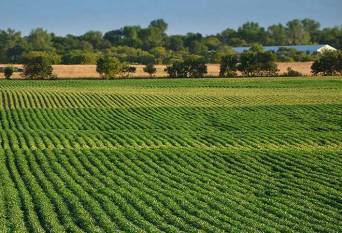


NEW DELHI, 11 May 2025: Regenerative agriculture, a holistic farming system aimed at restoring soil health, boosting biodiversity, and capturing atmospheric carbon, is steadily emerging as a vital solution for India's troubled agricultural soils.
Experts and policymakers are now calling for it to move from isolated pilot projects to a structured national policy.
The approach stands in contrast to conventional farming, which often leads to nutrient depletion and increased greenhouse gas emissions. Regenerative techniques — such as reduced tillage, crop diversification, cover cropping, and livestock integration — focus on rebuilding soil organic matter and long-term farm resilience.
Agriculture Minister Shivraj Singh Chouhan recently underscored the urgency of the situation, revealing that nearly 30 per cent of India’s soil is degraded, a crisis that is undermining agricultural productivity and rural incomes. Soil organic carbon, a key indicator of soil vitality, has dropped from ~1 per cent to just ~0.3 per cent.
Global research suggests that regenerative farming could increase soil organic carbon by up to 0.6 per cent annually. This, in turn, enhances water retention by 15–20 per cent and improves drought tolerance — critical factors for India's rain-fed farming systems.
Given these benefits, experts argue it's time for India to mainstream regenerative agriculture through policy incentives, farmer training, and institutional support. Scaling these practices could simultaneously address food security, climate change, and rural distress.
Image credit: orfonline.org