





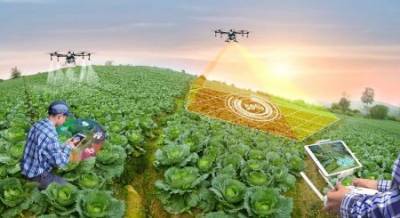


NEW DELHI, 3 July 2025: Cloud computing is poised to fundamentally transform the face of Indian agriculture in 2025, promising to modernize how farmers monitor, manage, and produce food while addressing climate and resource challenges.
According to industry estimates, over 60% of large farms are expected to adopt cloud-based systems this year for real-time crop monitoring, resource management, and precision decision-making. Analysts say cloud computing can process as many as one million farm data points per day, empowering farmers to make smarter, more sustainable choices.
Cloud farming solutions connect advanced tools — including soil sensors, satellite imagery, and AI-powered platforms — through centralized online servers. These platforms deliver actionable insights directly to farmers’ mobile devices, enabling them to optimize irrigation, fertilizer application, pest control, and even machinery use.
“Cloud technology is democratizing access to sophisticated data analytics for farms of all sizes,” said a senior technology adviser at an agritech think tank. “That means even smallholder farmers can benefit from the same precision tools used by large agribusinesses, with minimal upfront costs.”
One of the biggest impacts of cloud agriculture is on supply chain management. Cloud-enabled traceability systems, often enhanced by blockchain, allow produce to be tracked from seed to shelf, helping prevent food fraud, ensuring food safety, and boosting consumer confidence.
Farmers and policymakers also see opportunities in climate adaptation and risk management. Cloud-driven models can predict local weather and pest threats, providing hyperlocal advisories to help farmers safeguard their crops and incomes. “This is vital in a warming climate with unpredictable rainfall patterns,” the adviser noted.
Forestry is another beneficiary of cloud technology, with integrated drone and satellite systems monitoring forest health, illegal logging, and carbon footprints. Real-time analysis and alerts help maintain ecosystem integrity and meet sustainability targets.
Analysts argue that cloud farming will not only improve India’s food security but also support the country’s net-zero ambitions. Smart cloud systems help reduce water use, optimize fertilizer inputs, and cut chemical runoff — all critical for sustainable farming.
“Farmers today are under pressure from climate change, market volatility, and shrinking margins,” said an agricultural economist. “Cloud-powered solutions bring together data, artificial intelligence, and automation to help them adapt, grow, and thrive.”
As India works toward achieving its 20% ethanol blending target by 2025 and improving agricultural resilience, experts believe cloud farming will become a cornerstone of the nation’s agri-tech landscape — reshaping how food is grown, distributed, and consumed.
By Jagdish Kumar
Image credit: agmatix.com