




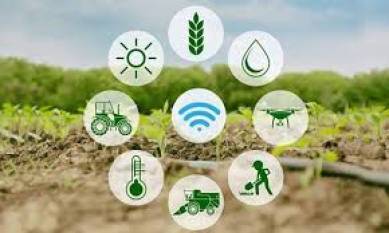


MUMBAI, 2 June 2025: The agricultural sector is rapidly embracing digital transformation, with the Internet of Things (IoT) emerging as a key driver for modern farming practices worldwide. IoT applications—from soil sensors and drones to automated irrigation systems—are helping farmers monitor environmental conditions, track livestock health, and predict crop yields.
These technologies contribute to enhanced productivity, sustainability, and efficiency across the agriculture industry.
However, implementing IoT in farming is not without its challenges. Experts highlight several common obstacles faced by farmers and agribusinesses, along with practical solutions to overcome them.
Data Integration and Management Issues
Farms generate massive volumes of data through diverse IoT devices, making consolidation and analysis difficult. Industry specialists recommend adopting centralized cloud platforms such as AWS IoT Core and Microsoft Azure IoT or agriculture-specific platforms like Climate FieldView. Utilizing standard communication protocols (MQTT, CoAP) and open APIs can improve interoperability and simplify data management.
High Upfront Costs Hinder Adoption
The initial investment required for IoT hardware, software, and training remains a significant barrier, especially for small-scale farmers. Experts suggest phased implementation starting with basic functionality, use of open-source tools like ThingsBoard and Grafana, and tapping into government grants aimed at supporting digital agriculture.
Security Concerns on the Rise
With increasing data collection comes heightened risk of cyberattacks and data breaches. Farmers are advised to regularly update software, enforce encryption standards like AES, and implement robust access controls. Training farmers on cybersecurity best practices is also crucial to safeguarding farm operations.
Technical Expertise Gap
Lack of in-house technical skills limits many farmers from fully leveraging IoT solutions. To address this, partnering with managed service providers offering comprehensive IoT support—including installation, maintenance, and security—is becoming a recommended approach.
Connectivity Challenges in Rural Areas
Reliable internet connectivity is essential for IoT devices but remains spotty in many rural locations. Satellite internet services such as Starlink, low-power wide-area networks (LoRaWAN, NB-IoT), and edge computing technologies are being adopted to ensure continuous data transmission and real-time operations.
Industry insiders emphasize that despite these challenges, strategic partnerships with experienced IoT vendors and gradual adoption can help farmers unlock the full potential of smart agriculture. The integration of IoT not only promises to increase yields and reduce resource use but also supports India’s goal of becoming a global food basket.
As agriculture continues to evolve digitally, overcoming these barriers will be key to building resilient, sustainable, and profitable farming ecosystems worldwide.
Image credit: prolim.com