




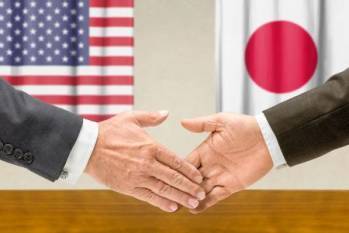


“We have no intention of making compromises that would harm Japanese agriculture in future negotiations,” Hayashi told reporters, as cited by Nikkei.
His comments follow a message from U.S. President Donald Trump on his social media platform, in which he claimed Japan is experiencing a rice shortage but refuses to purchase American rice. The remarks are widely viewed as a bargaining tactic to secure greater agricultural market access for U.S. farmers while broader tariff discussions remain stalled.
Japan currently faces a 25% U.S. tariff on automobiles and auto parts and a 50% tariff on steel and aluminum, while past rounds of trade talks have failed to bridge the differences.
Hayashi insisted that Japan would continue “sincere and constructive negotiations” to reach a mutually beneficial agreement, but emphasized that protecting Japan’s farmers is non-negotiable.
The exchange underscores the political sensitivities around agriculture in Japan, where rice farming remains culturally and economically significant.