





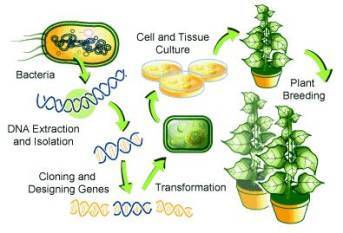


But what exactly is genetic manipulation—and why does it matter for agriculture?
What Is Genetic Manipulation?
Genetic manipulation, also known as genetic engineering or genetic modification (GM), is the process of altering a plant’s DNA to introduce desirable traits. Unlike traditional breeding—which can take years and involves crossing plants with similar characteristics—genetic manipulation allows scientists to insert, remove, or modify specific genes directly.
This is done using advanced biotechnology tools, including gene editing technologies such as CRISPR, which enable precise changes at the molecular level.
In simple terms: if traditional breeding is like mixing paint colors and hoping for the right shade, genetic manipulation is like selecting the exact pigment you need and adding it deliberately.
How Genetic Manipulation Is Transforming Agriculture
1. Higher Crop Yields
One of the primary goals of genetic modification is to increase crop productivity. By introducing genes that enhance growth efficiency or improve nutrient uptake, scientists can develop plants that produce more grain, fruit, or fiber per acre.
For farmers facing shrinking landholdings—especially in countries like India—yield improvement can significantly boost income without expanding farmland.
Impact:
- Increased food production
- Higher farm profitability
- Better land-use efficiency
2. Pest and Insect Resistance
Genetically modified crops can be engineered to resist destructive pests. A widely cited example is Bt cotton, introduced in India in 2002. The crop contains a gene from the soil bacterium Bacillus thuringiensis (Bt), enabling it to resist bollworm attacks.
Why it matters:
- Reduced dependence on chemical pesticides
- Lower input costs for farmers
- Healthier farm ecosystems
- In India, Bt cotton adoption significantly increased cotton yields while reducing pesticide usage in its initial years.
3. Climate Resilience
Erratic rainfall, droughts, and heatwaves are becoming more frequent. Genetic manipulation helps create crops that tolerate stress conditions such as:
- Drought
- Flooding
- Salinity
- Extreme temperatures
For example, drought-tolerant maize varieties developed in countries like the United States have shown improved performance under water scarcity.
Impact:
- Stable yields during climate stress
- Reduced crop failure risk
- Improved food security
4. Improved Nutritional Value
Genetic engineering can enhance the nutritional profile of crops. The most famous example is Golden Rice, developed to contain higher levels of beta-carotene, a precursor to Vitamin A.
Vitamin A deficiency remains a public health issue in many developing countries. Biofortified crops can help combat malnutrition directly through daily diets.
Benefits:
- Better public health outcomes
- Reduced dependency on supplements
- Targeted nutrition solutions
5. Herbicide Tolerance
Some genetically modified crops are designed to tolerate specific herbicides. This allows farmers to control weeds more effectively without harming the crop.
While this increases operational efficiency and reduces labor costs, it also raises debates about herbicide overuse and resistance development.
Practical advantage:
- Easier weed management
- Reduced manual labor
- More efficient large-scale farming
6. Longer Shelf Life and Reduced Waste
Post-harvest losses remain a major issue in agricultural supply chains. Genetic manipulation can slow down ripening or enhance durability, extending shelf life.
Longer-lasting fruits and vegetables mean:
- Reduced food wastage
- Better market prices for farmers
- Improved export potential
The Debate: Benefits and Concerns
Despite its advantages, genetic manipulation remains controversial. Critics cite concerns about biodiversity, corporate seed control, and long-term ecological impact. Regulatory frameworks differ across countries, with stricter controls in regions like the European Union compared to more widespread adoption in the United States and Brazil.
In India, regulatory approval for genetically modified food crops remains cautious, even though Bt cotton is widely cultivated.
The Road Ahead
As agriculture confronts climate volatility, soil degradation, and rising population pressures, genetic manipulation is likely to play a growing role in shaping the future of farming. Scientists are now moving toward more precise gene-editing methods that do not involve foreign DNA insertion, potentially easing regulatory concerns.
For farmers, especially smallholders in developing economies, the promise lies in resilient crops that reduce risk and increase income. For policymakers, the challenge remains balancing innovation with safety and sustainability.
Genetic manipulation is not a silver bullet—but in a climate-stressed world, it may be one of agriculture’s most powerful tools.\
Image credit: mit.edu